

This is it, farmers! Story of Seasons: Pioneers of Olive Town, the long awaited Nintendo Switch title marking the 25th anniversary of one of the foundation-building life sims, is here. Whether you’re all-new to the series, here the whole time, or just returning after the fan-favorite remake released last year, there’s been a lot of anticipation for what the new title will bring to the table. We hope our in-depth review will help, and we’ll try to avoid significant spoilers where we can.
Presentation
Olive Town starts off with a darling picture-book style introduction before jumping directly into character creation, allowing players to completely customize their character’s look, voice, and even their idle stance before moving on to deciding the color of the ride they use to get to Olive Town. Once the introduction ends, players are given a few quick tool-tips and then are allowed to play freely without an excessively guided tutorial phase.
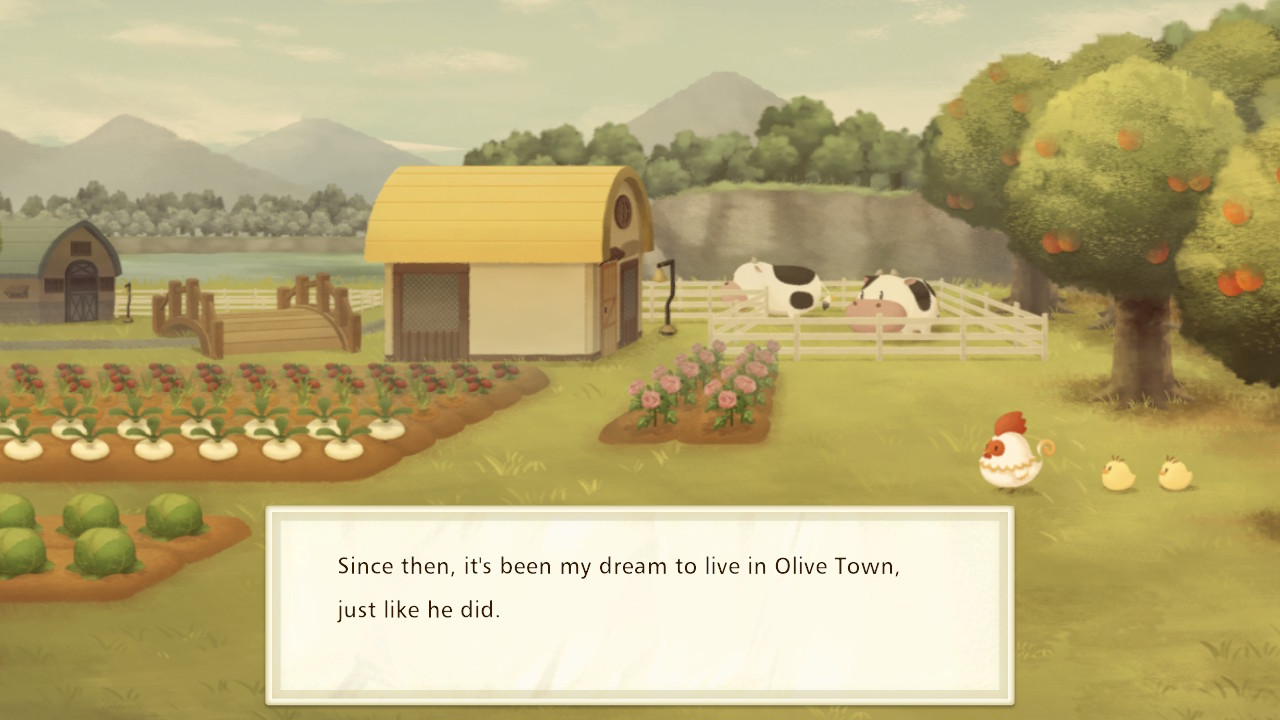

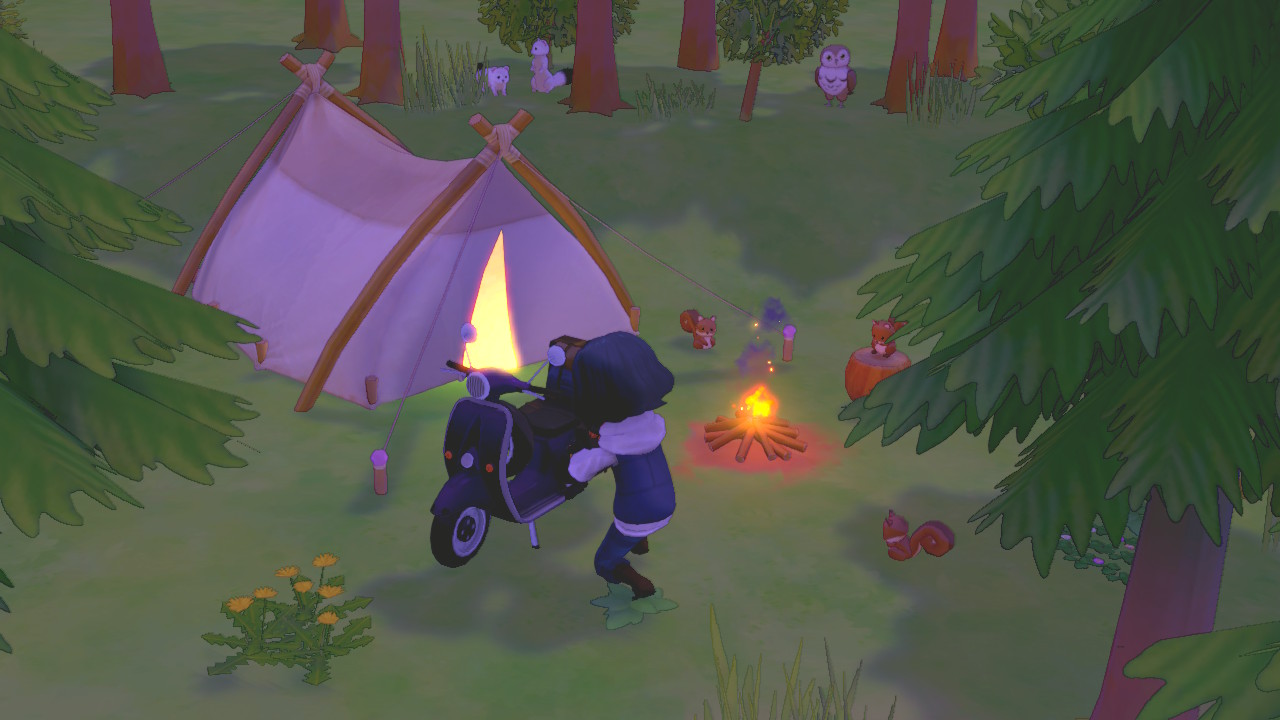


As players settle in, they’ll get to take in the sights of the temperate seaside town and get to know the locals. While seemingly flat at first, the English localization puts in an effort into giving each character a distinct personality in their dialog, with their supply of lines building as they’re befriended and each one providing unique (though generally cheery) commentary based on happenings like festivals, your personal milestones, and how the town is changing and growing. Character-focused events also bring the camera in closer, allowing the player to see the expressive character models.
Befriending the townsfolk is also fairly rewarding, as many of them have their own events, keeping happenings in town fresh and not limited to the marriage candidates as some past games in the series occasionally would. Those willing to look into every nook and cranny the game has to offer will also often be rewarded with small insights, such as childhood drawings, baby photos, belongings pertaining to hobbies and interests, and more. The care put into detailing the environment can be a little jarring when something is askew however, such as ordering something at a local restaurant and finding a lack of visual variety to the meals.


Outside town, the only major nature area present in the game is the player’s own farm. Abandoned and taken back by nature, each new area you unlock will provide a small selection of new wildlife to see and plants to gather. Seasons, weather, and time of day each distinctly shake up the mood and visual appeal of the landscape as well, with elements ranging from cherry blossom petals drifting all about in Spring to more subtle effects like the clap of thunder having a variable amount of time after you see a crackle of lightning spread across the sky during a rainstorm.
Performance and Control
Generally, the overall experience is pretty smooth. After the initial load-up, loading transitions usually take about a second to go between interiors and exteriors, with longer load times (between 10-20 seconds) occurring for traveling between the farm and the town. As more objects clutter the farm, there will be occasional slow down and object pop-in, but this is mostly reserved for when moving quickly on a bike or horse and is fairly ignorable otherwise.
Control can be somewhat finicky at times, with occasional miss-swings of tools happening because of it. It feels unusual that options like Animal Parade’s strafing to lock movement to a particular direction aren’t available to alleviate the problem. The issue is at least partially mitigated once the player upgrades tools, as precision becomes far less important when your swing affects a whole area. Future updates are promised to address some of these concerns, but for day-one buyers it may be at least a little annoying.
Core Gameplay
Restoring the farmland and contributing to the town’s growth go hand-in-hand with all the activities the game presents you with. Without a doubt, the strongest element of Pioneers of Olive Town’s gameplay is the moment-to-moment gameplay, allowing any of the things you choose to do to contribute in some way to meaningful feeling progress. Each goal is laid out for you in convenient chunks, and, outside individual facilities, often presents you multiple ways to solve the issue. If you’re not interested in gathering ore or lumber to build a new bridge, maybe you could just save up money by farming and ranching instead and pay someone else to do it; when the town wants to build new roads or upgrade the Town Hall, they ask for a variety of different goods and you only need to provide one of them.


Another one of the game’s strengths is making upgrades feel meaningful. Skill advancements and tool upgrades both contribute to this, leaving a massive difference in how the game feels to play at the very beginning of the game compared to the end of your first year. Each new area of the farm you unlock also provides new resources, such as new types of trees, plants, ore, and new wild animals to tame or photograph.
As you advance and find better, higher grade materials, you’ll begin to need to refine them with Makers in order to use them. These machines can take materials such as logs and ore and refine them into lumber and ingots. For some of the highest grade materials, this can take as long as 10 in-game hours to produce an ingot or 23 hours to refine a diamond, begging the player who wishes to progress quickly to devote part of their ample land to Makers. Thankfully, once players have completely reclaimed their land and restored the old facilities, they can scale back as they see fit.
Farming & Ranching
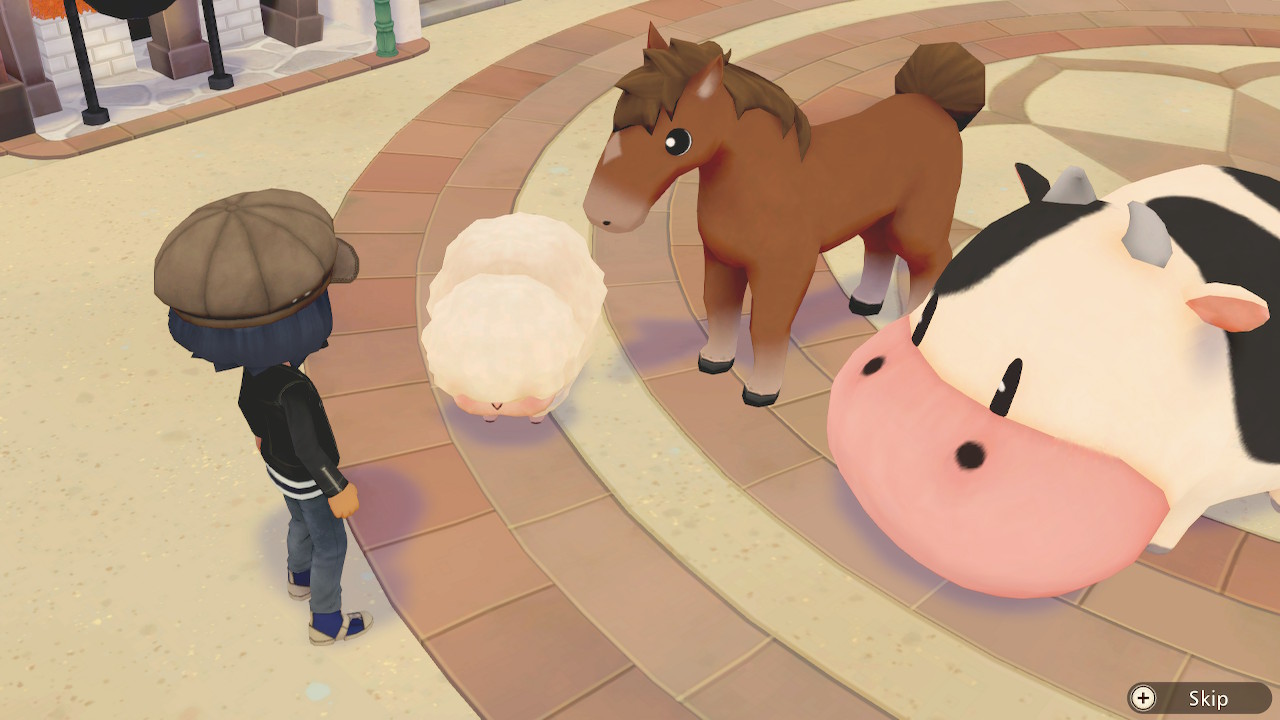
The classic Story of Seasons gameplay is preserved, along with the new generation-based animal system from last year’s Friends of Mineral Town for those who want to make a career in ranching. Growing crops in the traditional 3×3 plots, watering them every day, planting orchards to gather seasonal fruits, and raising generations of animals in the pursuit of the best possible byproducts is one of the best and most consistent ways to raise funds. While there aren’t any animal festivals in Olive Town, animals now play integral roles in crafting and cooking.
Reminiscent of A New Beginning‘s materials and money for clothing exchange, animal wool and fur byproducts of various quality are also needed in order to get new outfits and accessories. You won’t really see the full extent of their involvement in crafting until the end of the year, when you’ve upgraded your home and increased the areas designated for decor and furniture in your house. In order to boost the quality of dishes to appease Mr. Lovett’s Gourmet Requests, you’ll have to raise generations of animals to aim for ten star products.
Socializing
As previously noted, socializing with the townsfolk is an enjoyable experience thanks to several regular townsfolk having their own events to see and adding new dialog as you become closer with them. Thanks to daily requests at the town hall, you may even become close to some townsfolk that your daily routine doesn’t have time for, giving you a regular stream of new events to see while you make your rounds in town. Characters like Beth and Lars in particular have several events that build up their relationship and make them stand-outs among the already varied cast.
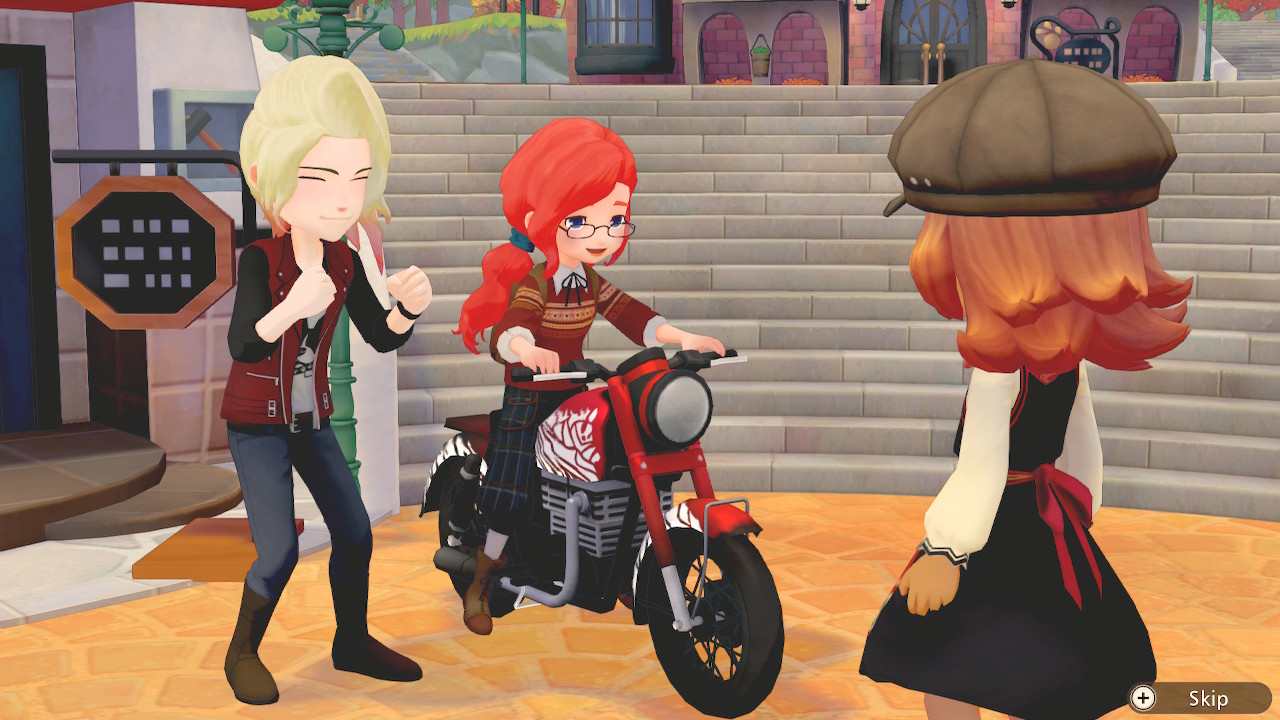


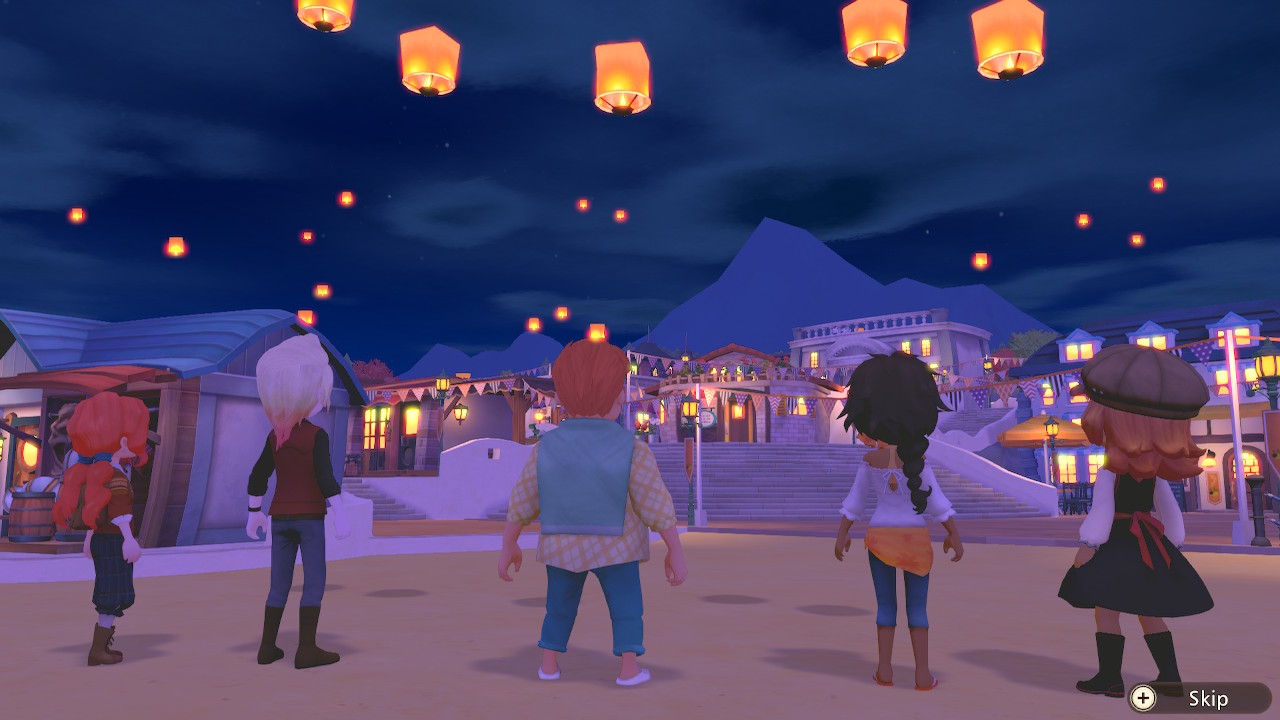
For marriage candidates, the number of events have been increased to 10, including unique events per character when proposing dating and marriage. The quality of events range from a little hokey to heartwarming, but regardless each helps give a little insight to the kind of characters the candidates are, including things like self doubts and the occasional insight below the surface level appearance. Festivals focused on dating can also change somewhat based on your relationship status, with the Snow Sculpture Festival in particular having two completely different scenes depending on if you’re attending with your sweetheart or your spouse.
Mining
One of the biggest day-to-day time sinks is the mines. There’s three in all and each one gets progressively deeper, up to 50 floors, and offers new ore and gems to unearth. As you progress deeper and deeper, simple moles you can thwack to earn optional goodies will turn downright nasty; attacking, moving faster, and in groups to drain you of your precious energy and ruin your day. While not as difficult as previous mines in the series, such as the gargantuan 65535 floor mine in DS, progressing to the deepest depths takes so much time and/or resources while you try to get your hands on the rarest materials that they’ll likely be the final barrier to completely reclaiming their land for many farmers.


The Museum and Other Activities
One of the key features outside the farm is the Museum. Taking and expanding on the concept of the Aquarium from GBC3, absent from the series since the year 2000, players can donate fish, treasure, and photos of local wildlife to fill out the various exhibits. There’s a lot to enjoy here for collection enthusiasts, with the museum contributing a lot to the overall feeling that any activity you choose to do while playing can be worthwhile.
Pioneers of Olive Town’s fishing system is an intuitive and enjoyable system. Maintaining the line’s strength while the fish icon is white or blue and avoiding red is simple enough, but more than that, each fish has a distinct pattern. If a player makes fishing a recurring activity, they’ll start to get a feel for what kind of fish they’re about to catch through its behavior, when a new fish is about to appear, and even when they’ve got a second chance at one that got away. Though it does feel odd that there’s no toggle-able Rumble feature to further emphasize each fish’s subtly different behavior.
In addition to fish, sometimes rare treasures can be caught, but probably the more effective way to unearth treasures is through draining; a new feature allowing you to clean out murky ponds and puddles while also finding clay (for bricks) and treasure to donate, which can be used as home decorations, gifted, or sold. Each treasure will also need to be identified by Reina at the museum before you know what it is, making regular trips to the museum to donate fresh catches and new discoveries a naturally flowing process.
Final Thoughts
Story of Seasons: Pioneers of Olive Town is an incredible life-sim with a lot going for it. Having personally spent 60 hours in my first year alone and continuing to enjoy playing, seeing new events, and progress on my personally set goals, it’s easy to simply revel in the density of all the things there are to do in a single in-game day. For the grand majority of Story of Seasons fans who usually set their own goals, get to know their characters, get married, and simply enjoy their time relaxing, Olive Town may easily be among one of the best feeling games in the series to play for hours at a time.


For hardcore fans though, the lack of long-term goals that aren’t solely set by the player for their own enjoyment offered by festivals like cooking, races, and crop/animal evaluation is a huge downer on the overall experience and can come off as a somewhat confusing decision. Though several updates are already announced to be coming to address technical issues and fan requests, no word has been said about significant free new content like festivals, and neither does any of the upcoming paid DLC. Nevertheless, for those who want to enjoy the laid back, free lifestyle Story of Seasons games are known for, there’s always something to do in Olive Town.
 Ranchstory News Blog
One thought on “Ranch Story’s Story of Seasons: Pioneers of Olive Town Review”